Domestic Violence Awareness Month
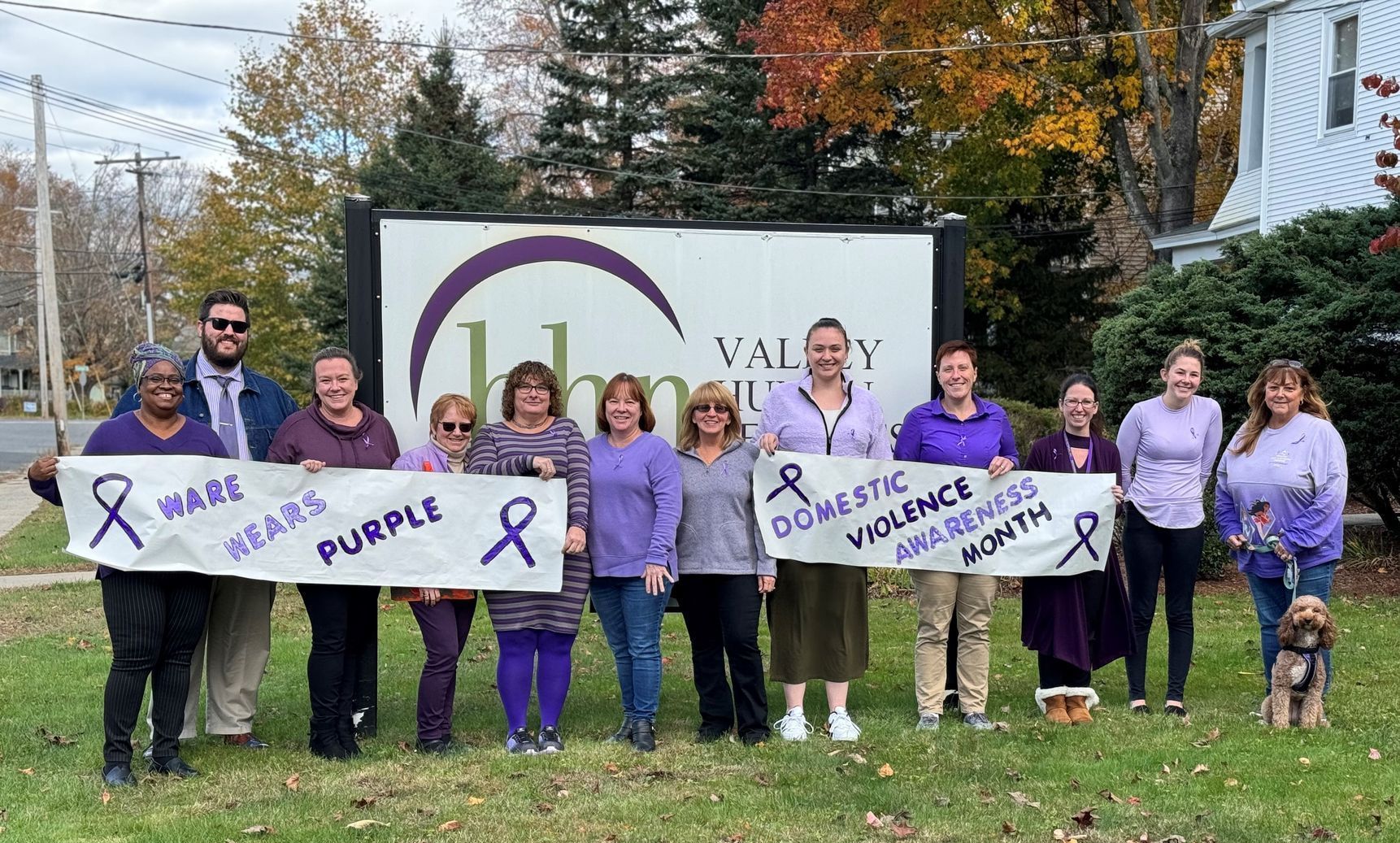
First observed in October 1981 as a national “Day of Unity,” Domestic Violence Awareness Month (DVAM) is held each October as a way to unite advocates across the nation in their efforts to end domestic violence and uplift the needs, voices, and experiences of survivors.
You may already be familiar with some forms of domestic violence, such as physical or verbal abuse. However, abusers often use other tactics that are a more subtle yet equally harmful type of abusive behavior. Domestic violence is a pattern of abusive behavior in any relationship that is used by one partner to gain or maintain power and control over another intimate partner.
Domestic violence can be physical, sexual, emotional, economic, psychological, or technological actions, threats of action, or other patterns of coercive behavior that influence another person within an intimate partner relationship. This includes any behaviors that intimidate, manipulate, humiliate, isolate, frighten, terrorize, coerce, threaten, blame, hurt, injure, or wound someone.
An average of 24 people per minute are victims of rape, physical violence or stalking by an intimate partner in the United States — more than 12 million women and men over the course of a single year.
Deb Shepard, a BHN Domestic Violence Advocate explains that coercive control is a strategic form of ongoing oppression and terrorism used to instill fear. The abuser will use tactics, such as limiting access to money or monitoring all communication, as a controlling effort. Anyone can experience coercive control, but it’s often grounded in gender-based privilege. Between 60 and 80 percent of women seeking assistance for abuse have experienced coercive control.
Andrew Howard, Program Manager of BHN’s Domestic Violence program, emphasizes the two most crucial aspects of domestic violence awareness: understanding what it looks like and addressing the stigma of being a survivor. He emphasizes the importance of recognizing the red flags of abuse, as domestic violence can manifest differently in each relationship.
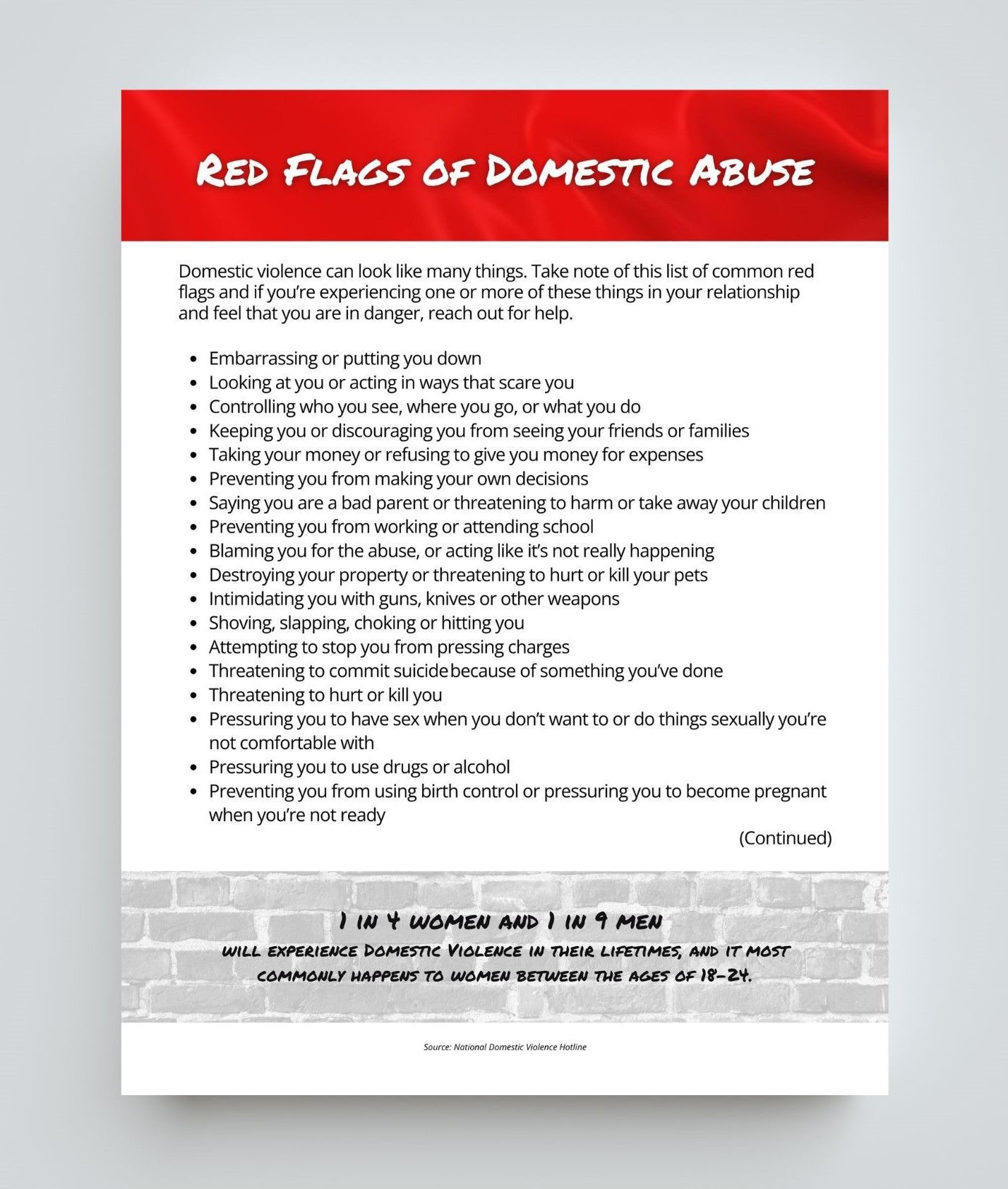
View the list of common domestic violence red flags and abuse and control strategies.
Getting out of an abusive relationship can be complex, even more so when children are involved. With planning, there is a safe way to exit from the situation.
- Maintain communication with your support systems whenever possible.
- Call a domestic violence hotline regularly.
- Practice how to get out safely, and practice often.
- Have a safety plan.
- File for a 209A Protection Order at your local District Court.
If you or someone you know is experiencing red flags in your relationship and or feel that you are in danger, call The Hotline at the bottom of this post to talk about what’s going on. View the websites below for more information and helpful resources.
If you are ever in immediate danger, Call 911 or your local emergency number if you’re able. If you can’t call or text 911, try to physically remove yourself by getting to a neighbor’s house or nearby business
Victim Resources
National Domestic Violence Hotline
BHN Valley Human Services
96 South St, Ware, MA
Additional Resources:
- MA SAFELINK Shelter Requests, 24-hour Hotline: 877-785-2020
- Wayfinders Housing Support
- RAINN National Sexual Assault Hotline: 1-800-656-4673
- Restraining Orders Explained
- Civil Legal Help
Perpetrator Resources
Intimate Partner Abuse Education Program
40-week education classes: 413-967-6241
A Call for Change Helpline: A Call for Change Helpline is a free, anonymous, and confidential intimate partner abuse prevention helpline, serving Massachusetts adults and teens who are at risk of harming their intimate partner or who have questions about how to be a safe partner. Responders are trained to treat all callers with respect and to support their efforts to become and remain safe in their relationships. Family members, friends, and professionals who want to help someone stop harming their partner are also encouraged to contact the helpline. More information can be found at acallforchangehelpline.org or call 877-898-3411, 10 am to 10 pm.
Upcoming Events
9th Annual Domestic Violence Walk
Sunday, October 20th, 1pm
Veterans Park, Ware MA
Source: National Domestic Violence Hotline
SHARE
Topics

Stay Up to Date!
Sign-up for our newsletter to receive news and updates from BHN.